

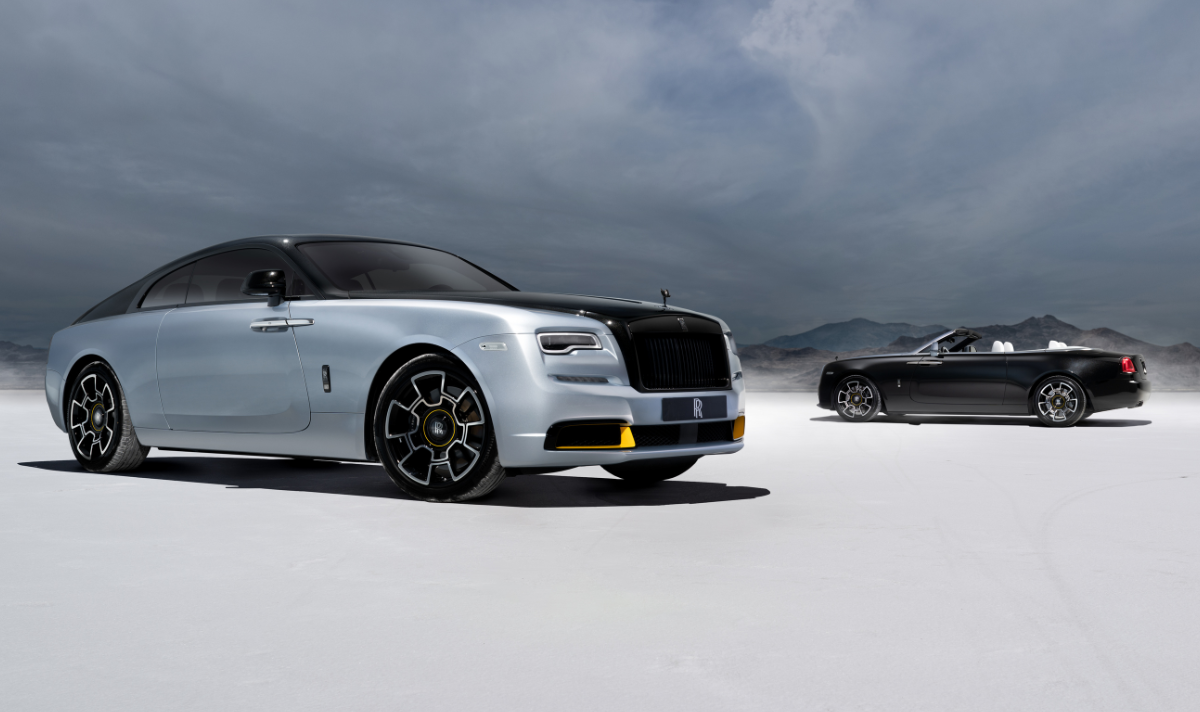
Rolls-Royce Motor Cars is marking a decade since the introduction of its Black Badge alter ego, first revealed in 2016.
The darker, more assertive interpretation of the brand was conceived to appeal to a new generation of self-driving clients seeking a more expressive form of super-luxury.
READ MORE: Cadillac Escalade, GMCs, and more U.S trucks now available to UK buyers
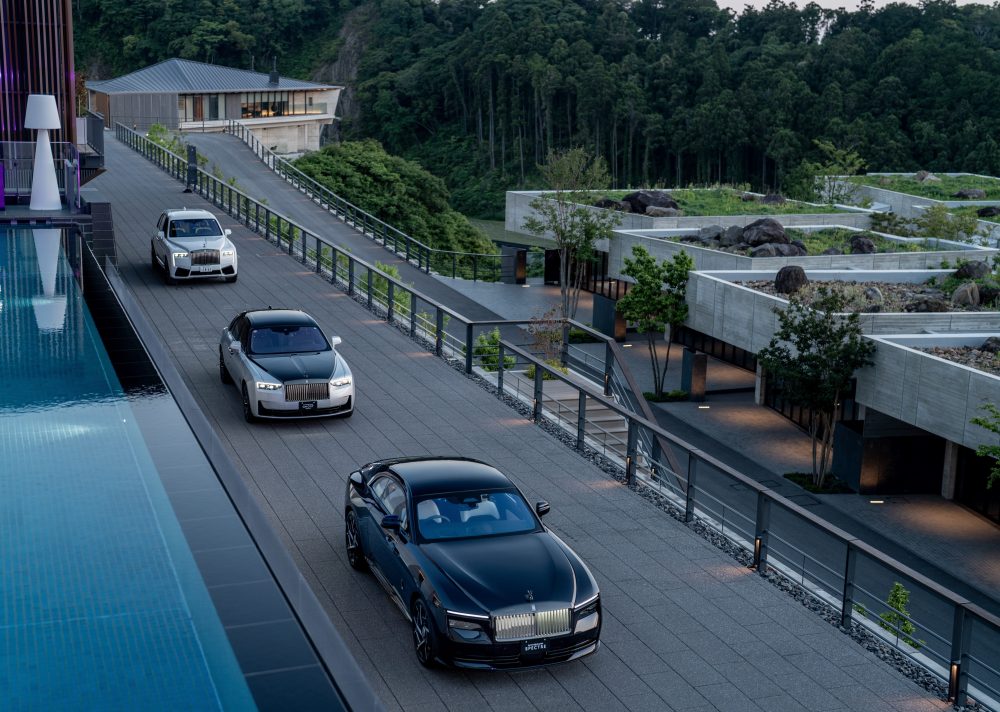
Today, the Black Badge line-up includes Black Badge Spectre, Black Badge Ghost and Black Badge Cullinan, reflecting the continued evolution of this distinct Rolls-Royce identity.
Chris Brownridge, Chief Executive of Rolls-Royce Motor Cars, said the concept was designed to expand the marque’s appeal while remaining rooted in its traditional values.
“From the outset, Black Badge was created to welcome a new generation of clients into Rolls-Royce: individuals who express their success unapologetically and with conviction.

“By serving them with the care and precision that defines the wider Rolls-Royce experience, we have made the marque relevant to many clients who may never have previously considered it.
“This has supported the measured and sustained growth of Rolls-Royce Motor Cars over the ten years since Black Badge was introduced.
“Proof of its success is also evident beyond our own performance: Black Badge has established an aesthetic and experiential template that echoes throughout the luxury sector.
Watch the latest Understeer videos on our Facebook, TikTok and on our Instagram
“I am excited to drive the further evolution of Black Badge in the years ahead.”
The spirit behind Black Badge reflects a longstanding element of Rolls-Royce history, rooted in individualism and a willingness to challenge convention.
The company’s founders, Sir Henry Royce and Charles Stewart Rolls, each pursued innovation from vastly different backgrounds but shared a determination to redefine expectations within engineering and motoring.
Their legacy of creativity and independence would later influence the character of Black Badge motor cars.
Archival research during the digitisation of the Rolls-Royce historical collection uncovered an early example that anticipated the darker aesthetic long before the concept was formally introduced.
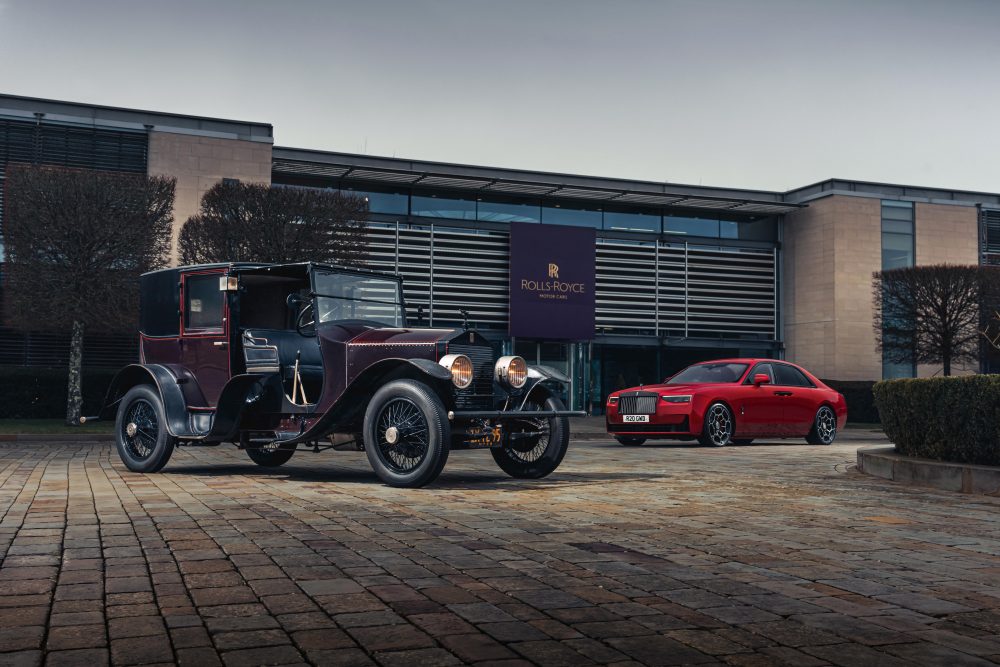
A 1928 Rolls-Royce 20 H.P. Brewster Brougham was delivered with both its Spirit of Ecstasy and radiator grille finished in black rather than the traditional bright metal.
Commissioned by Rolls-Royce of America financier J. E. Aldred for use in New York, the specification reflected a more assertive design language during a period when polished chrome symbolised modern prestige.
The car’s darker exterior treatment mirrored Aldred’s broader architectural interests, including the Art Deco-inspired Aldred Building in Montreal.
The attitude associated with Black Badge also draws inspiration from a more widely recognised cultural moment.
In 1964, John Lennon ordered a Rolls-Royce Phantom V finished almost entirely in black, including its brightwork, when purchasing the car from R. S. Mead of Maidenhead.
Constructed by Mulliner Park Ward, the motor car featured black bodywork, bumpers and wheel discs, while retaining a chrome Pantheon grille and Spirit of Ecstasy.
Its interior combined black Bedford cord cloth in the rear with black leather in the front, alongside features including electric aerials for a radio and a Perdio Portarma television.
Darkened reflective Triplex Deeplight glass was also installed to maintain privacy inside the cabin.
Lennon described the reasoning behind the feature during a 1965 interview with Rolling Stone.
“It’s for when you’re coming home late. If it’s daylight when you’re coming home, it’s still dark inside the car. You just shut all the windows, and you’re still in the club.”
Rolls-Royce later channelled this spirit of individual expression when a new generation of technology-driven entrepreneurs began approaching the brand in the early 2010s.
These clients sought the craftsmanship and engineering associated with Rolls-Royce but requested a more disruptive aesthetic aligned with their modern lifestyles.
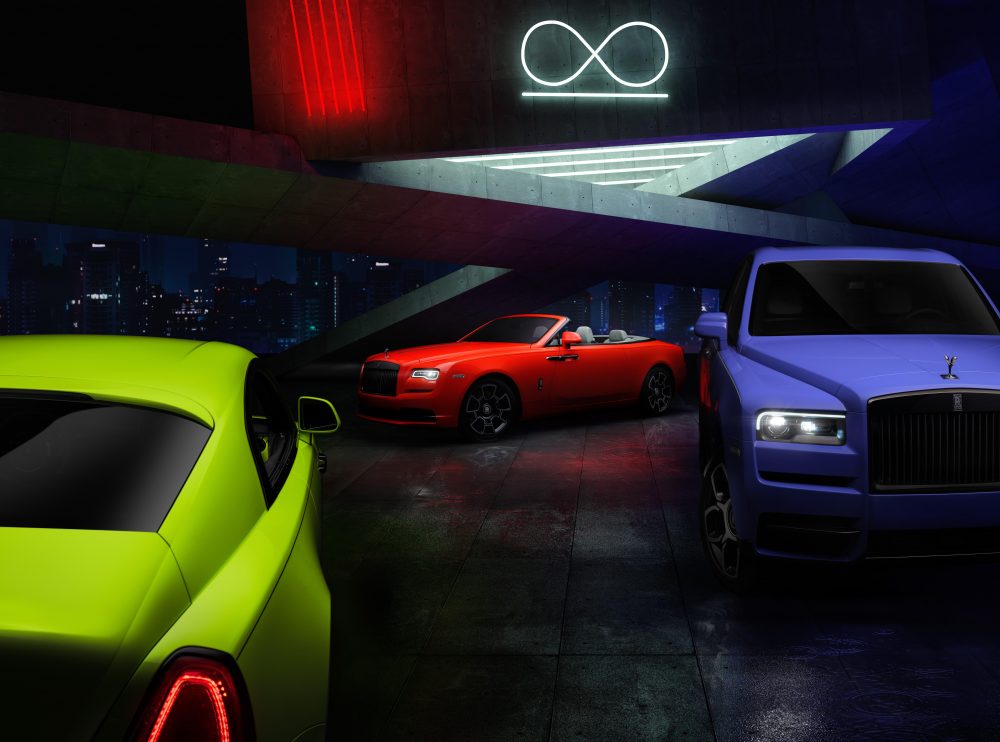
Black Badge was developed as a distinct expression within the marque, introducing darker finishes, vivid colours and technical materials alongside increased power and more dynamic driving characteristics.
Signature elements such as the Spirit of Ecstasy, Pantheon grille and double-R badge were presented in black chrome to signal the identity of these motor cars.
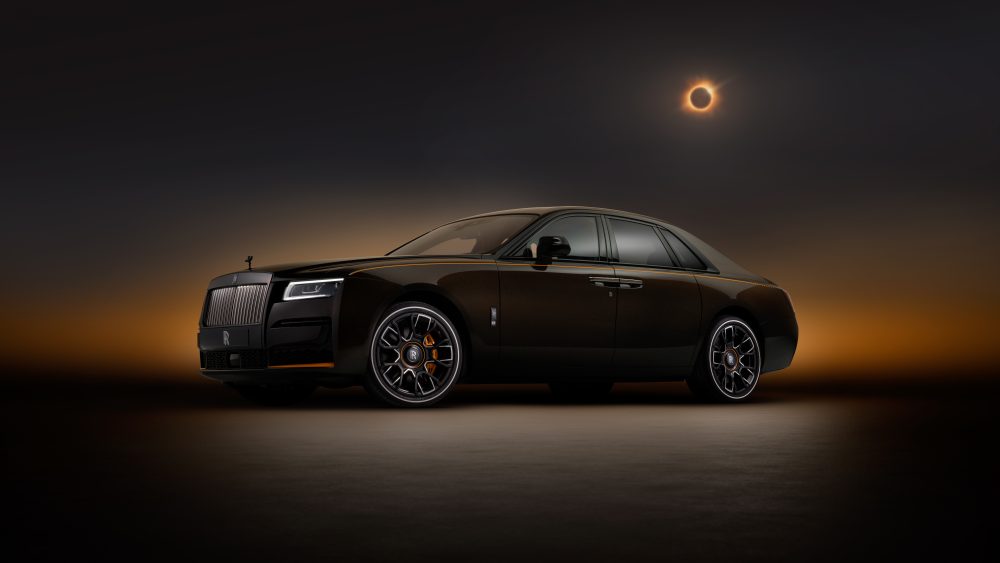
The exterior finish itself required an intensive process involving multiple paint layers, clear coats and hours of hand polishing to achieve the marque’s deep piano-black gloss.
Interior materials also evolved with the introduction of surfaces inspired by aerospace technology, including carbon fibre interlaced with aluminium threads and finished with multiple lacquer coats.
Join the F1 conversation with our official F1 Fans UK group on Facebook
Black Badge was formally introduced in 2016 with Black Badge Wraith and Black Badge Ghost at the Geneva Motor Show.
Later additions included Black Badge Dawn in 2017 and Black Badge Cullinan in 2019.
The dynamic potential of the concept was demonstrated the same year as its debut when a Black Badge Wraith completed one of the fastest recorded runs for a Rolls-Royce during the Goodwood Festival of Speed hill climb.
Since then, the Black Badge programme has expanded beyond motor cars into bespoke commissions and private collections influenced by design, music and digital culture.
Examples include limited series such as Black Badge Adamas, Black Badge Landspeed, Black Badge Wraith Black Arrow and Black Badge Ghost Ékleipsis.
Ten years after its introduction, Black Badge remains a defining expression of Rolls-Royce’s contemporary design philosophy while continuing to shape demand within the wider super-luxury sector.
Have you got a motoring story, pictures or videos? Email: scoops@understeer.co.uk – we’re always looking for tip-offs!